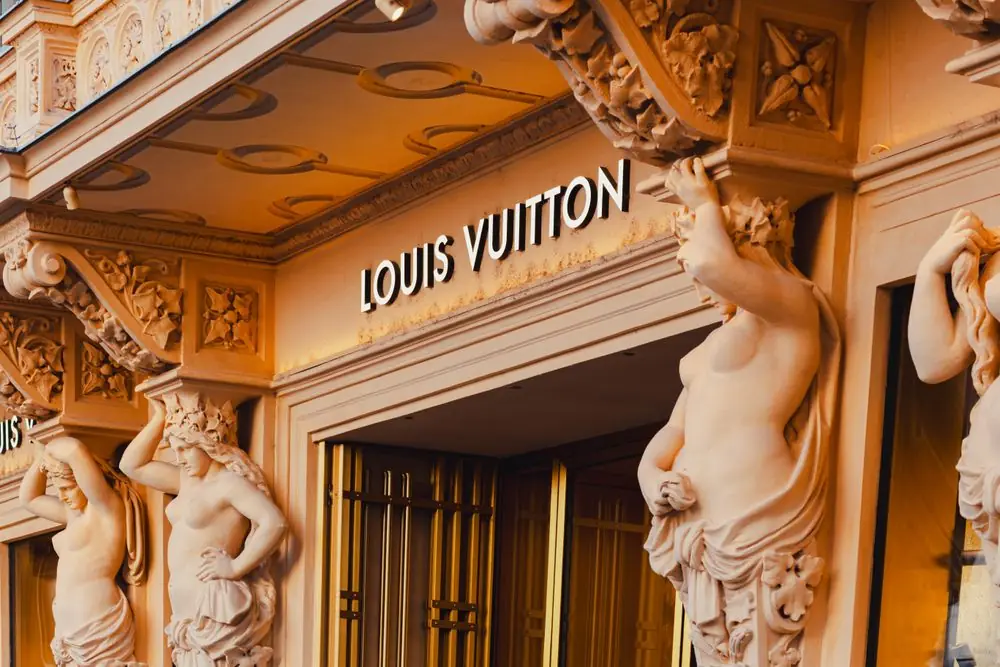
For years, luxury brands looked to China as their biggest growth engine. That story is changing fast. The United States has stepped back into the spotlight, giving global luxury companies a fresh reason to invest heavily across the country.
After two difficult years, the personal luxury goods market is expected to grow between 1% and 4% in 2026. Industry estimates place the market at $365 billion to $373 billion. This recovery is not happening by chance. American consumers are spending again, and luxury brands are following the money.
American Wealth is Fueling Luxury Growth
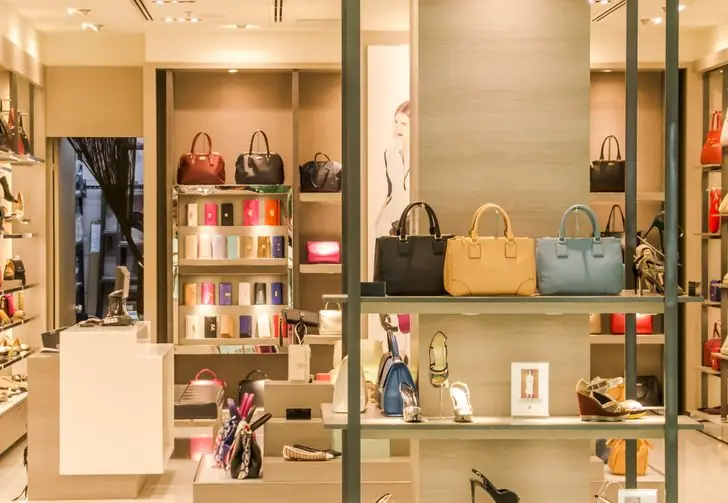
That shift has pushed the country ahead of every other major luxury market and changed where brands are placing their biggest bets.
However, not every shopper is spending the same way. The luxury market has split into two very different groups. Wealthy buyers continue to spend freely because rising stock markets and growing investments have increased their fortunes. At the same time, middle-income shoppers remain cautious as they deal with higher living costs and tighter household budgets.
The technology sector has added even more fuel to luxury demand. Artificial intelligence companies have created a fresh wave of millionaires and billionaires almost overnight. Luxury brands see these new high earners as valuable customers who want exclusive products, personalized services, and unique experiences.
This new generation of wealthy buyers also spends differently. They look beyond famous logos and expensive price tags. They value craftsmanship, limited editions, and brands with authentic stories that reflect their lifestyle and personal identity.
Luxury Brands are Expanding Across America
European luxury houses are adjusting their strategies as growth slows in China. Softer consumer confidence and ongoing economic uncertainty have made the Chinese market less predictable than it was only a few years ago. The United States now offers stronger and more reliable demand.
Many luxury executives believe the U.S. still has room to grow because its wealth base is larger than its luxury retail footprint. That gap has encouraged brands to invest aggressively in new stores and larger retail spaces across the country.
North America recorded the highest share of luxury store openings in 2025. The expansion extends well beyond traditional shopping destinations such as New York and California.
Texas has become a major destination because of its growing population, business-friendly environment, and rising household wealth. Tennessee and Arizona are also attracting luxury retailers looking for untapped markets with strong spending power.
Moncler is expanding its American presence with several new stores, including a flagship location on New York’s Fifth Avenue. Hermès is opening stores in Nashville, Scottsdale, and the Chicago suburbs. These investments reflect long-term confidence in the U.S. luxury market rather than a short-lived sales opportunity.
Luxury is No Longer Just About Owning Expensive Things
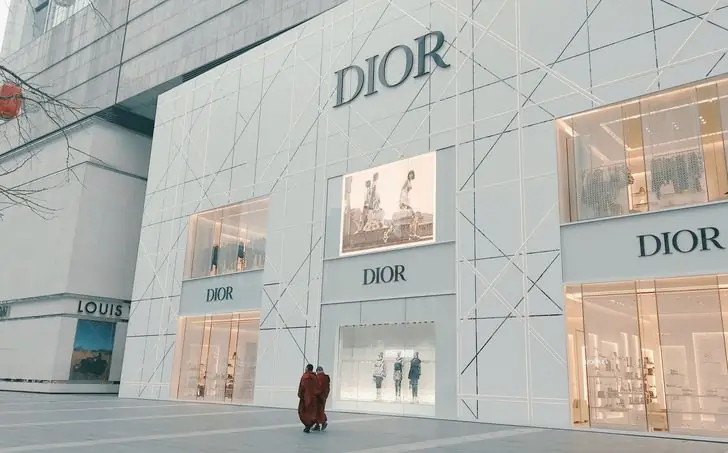
That change is reshaping the entire industry and creating fresh opportunities for brands that can deliver something unique.
Luxury travel, fine dining, private events, and exclusive hospitality are growing faster than many traditional product categories. Some premium travel experiences have already recorded booking increases of around 30%, showing that affluent consumers want lasting memories as much as luxury goods.