Deep Luxury, also known as Post-Luxe, is set to shape the future of high-end travel in 2026. The latest Travel and Hospitality Futures report from The Future Laboratory indicates a significant shift away from ostentatious displays of wealth. Travelers with means are trading glitter for intention.
They want emotional impact. Not just marble bathrooms or designer labels. They want trips that feel honest, grounded, and worth remembering.
This shift is more than a trend. It is a mental reset. People are moving toward sensory design, warm hospitality, and rituals that feel soothing and sincere. Luxury is no longer about being seen. It is about feeling something real. It is calm, thoughtful, and centered.
Purpose Is Now the New Status!
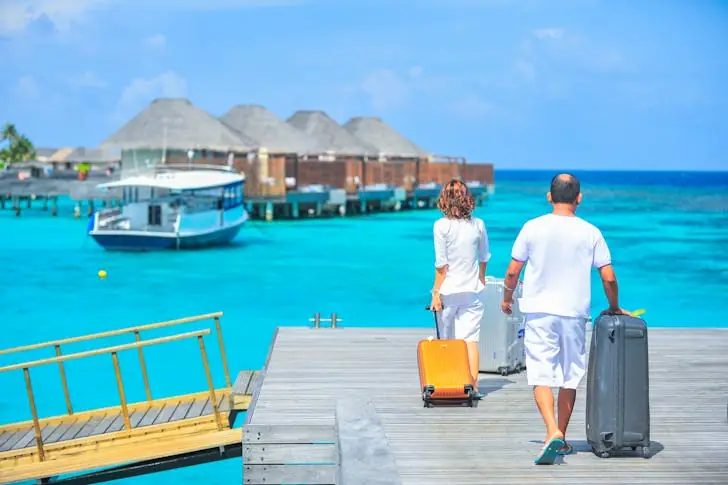
People want to chase purpose, not prestige. They want a reason to travel that stretches beyond pretty views.
This shows up in how travelers talk about their journeys. They speak less about landmarks and more about how the trip changed them. They want quiet escapes that let them think. They want to slow down, learn, and come home with a new story.
The Four Principles That Shape Deep Luxury
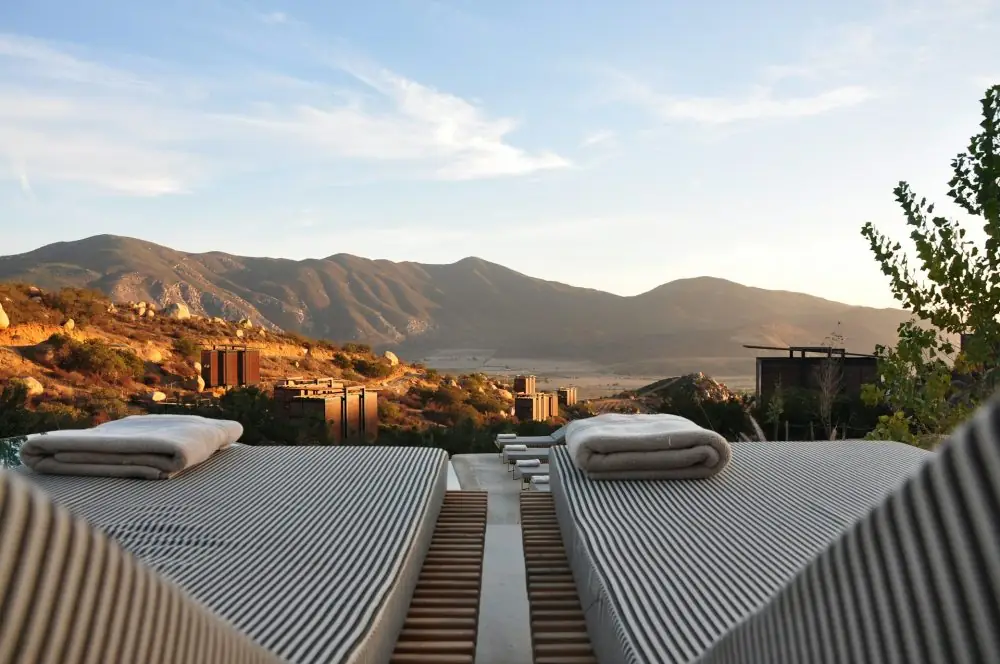
The first pillar is sanctuary over extravagance. Travelers are avoiding crowded hot spots and drifting toward places that feel untouched. Greenland’s icy stillness, Antarctica’s wild edges, and Malta’s calm heritage are rising in demand. These destinations offer space, quiet, and a sense of clarity that money cannot fake.
This idea has sparked a new approach called “hushpitality.” The focus is on peace, not spectacle. Service becomes soft, intuitive, and calm. Guests get privacy and comfort without a show. It is a luxury that whispers instead of shouts.
The second pillar is meaningful connection and storytelling. Sightseeing alone does not satisfy anymore. Travelers want to join local crafts, share meals with artisans, or step into long-standing community rituals. These moments feel personal and real. They turn a simple trip into something worth retelling.
This type of travel carries emotional weight. A baking lesson with a local family or a day with regional makers creates a story that sticks. It makes the traveler feel part of something, not just a visitor passing through.
The third pillar is transformational travel. Growth has become a luxury. Travelers want trips that help them shift their perspective or mark a milestone in their lives. These journeys feel purposeful and restorative.
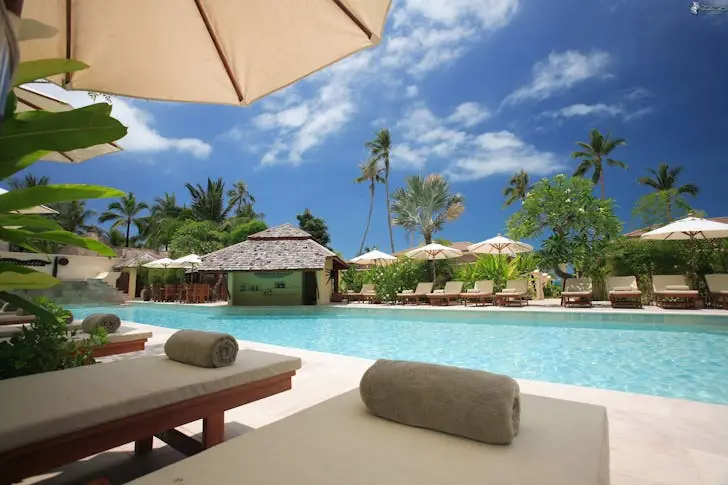
The fourth pillar is silent luxury paired with intuitive service. Flashy wealth is fading. Quiet competence is rising. Guests want service that appears right when they need it and disappears just as fast. It feels natural, not forced.
New Openings Reflect the Shift
Na Praia in Portugal, set to open in spring 2026, is a strong example. It sits on the Atlantic coast and invites guests into the raw beauty of nature. The goal is to provide quiet, attentive service that showcases local craftsmanship and culture. Guests connect with the landscape, not just the hotel.
The Malkai in Oman, arriving in autumn 2026, leans into cultural immersion. It spans three tented camps and offers guided access to the heart of Omani tradition. Guests move through private islands, curated desert adventures, and rituals that feel personal and grounded.
Alila Moments, launched in 2025, is another sign of brands adapting fast. This platform layers cultural experiences into every Alila property worldwide. Guests do not just visit a destination. They feel it. For example, travelers in Goa can join a baker to make traditional bread, creating a connection that goes deeper than a tour.