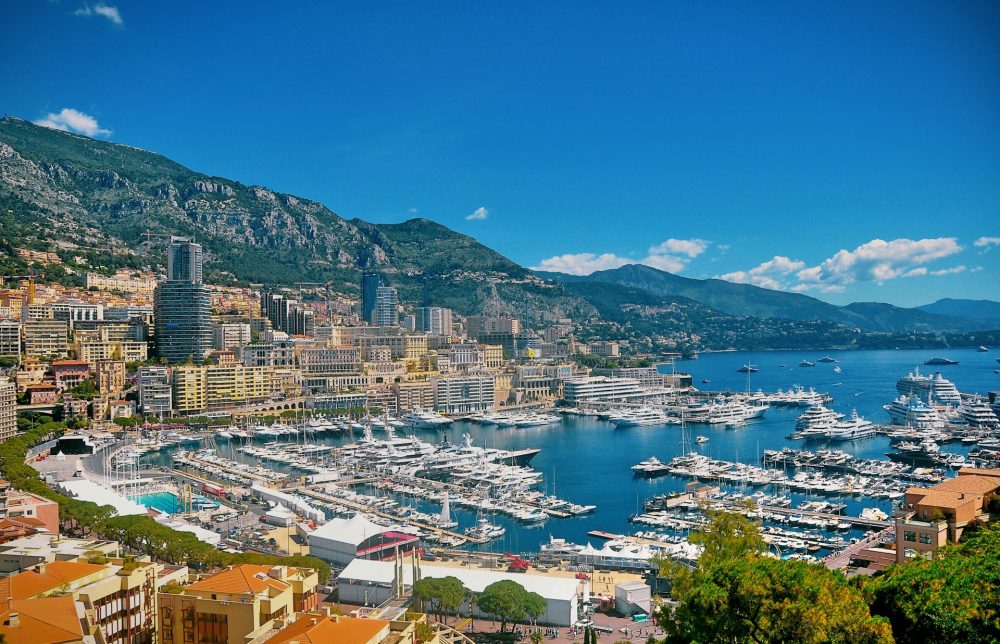
Dubai’s appeal has always rested on control—controlled growth, controlled risk, and a controlled environment for wealth. That formula worked for years, drawing in global capital at scale.
Recent events have disrupted that perception. Missile activity has introduced uncertainty into a market that thrived on predictability. For investors, that shift is enough to prompt reconsideration.
The numbers reflect that shift with unusual clarity. Real estate transactions falling by more than 50% in a single month is not a normal market adjustment—it’s a signal of abrupt repositioning. Capital is moving, and it’s moving quickly.
There’s also a psychological shift happening. For years, Dubai felt insulated. That feeling is harder to maintain now.
Why Milan Is Resonating
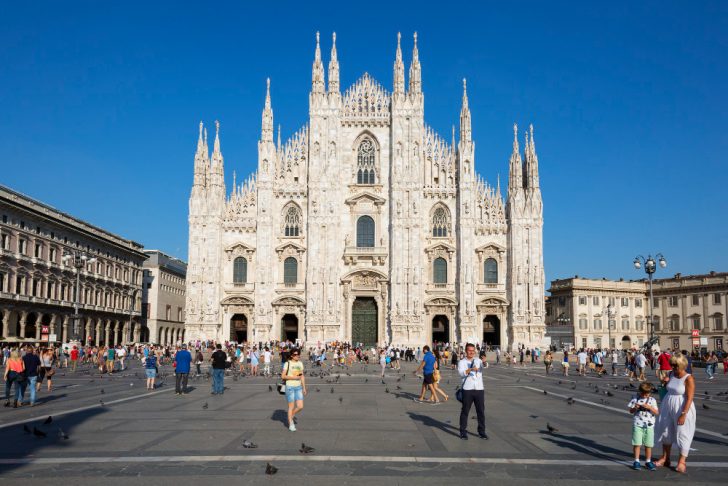
Freepik / Milan is pulling people in at a rapid pace. The Italian city offers something Dubai cannot fully match right now: A sense of long-term stability within the European Union.
Milan benefits from something Dubai cannot manufacture quickly: institutional gravity.
It is embedded in Europe’s regulatory system, which limits unpredictable policy swings. For global investors, that stability is becoming more valuable than tax optimization alone.
The flat-tax system reinforces this shift. €300,000 annually may sound simple, but simplicity is the real product here—not savings.
The inflow from Gulf wealth is not accidental. It reflects a redistribution of trust.
At the same time, the city’s cultural depth adds value. Dining, social spaces, and private clubs create an ecosystem that feels both functional and engaging.
Property Boom Signals a Power Shift
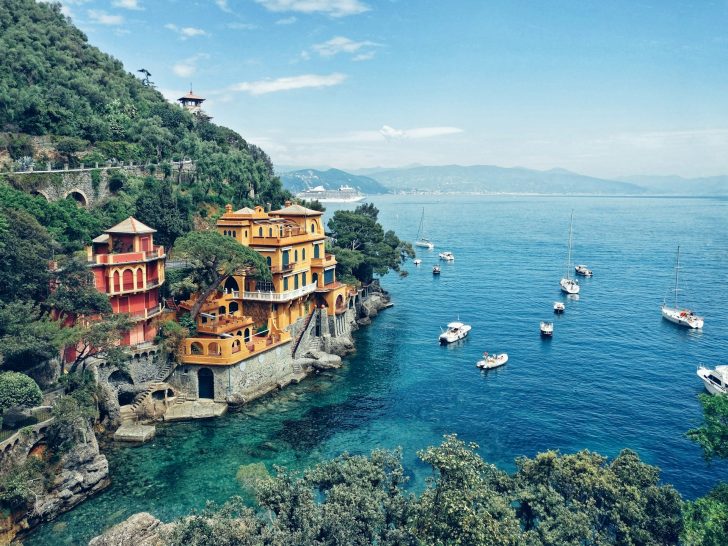
Kris / Unsplash / Milan’s real estate market is feeling the heat from this influx. Prices have jumped nearly 40% over the past five years.
Demand is so strong that some luxury homes sell before construction even finishes.
Prime areas like the historic center and Porta Nuova are seeing intense competition. International buyers now make up a much larger share of the market. In just two years, their presence has grown by up to 40%.
Supply is struggling to keep up with demand. Large, ready-to-move-in apartments are in short supply, which pushes prices even higher. Sellers are in control, and buyers are willing to pay a premium to secure a spot.
This surge is changing the city’s feel. Milan is becoming more global, more exclusive, and more aligned with cities like London and New York. That shift attracts even more wealthy newcomers, creating a cycle that feeds itself.
It would be a mistake to count Dubai out completely. The city still offers unmatched infrastructure, business freedom, and a tax-friendly environment. It also has a track record of bouncing back from challenges.
However, the recent security concerns have left a mark. Even if stability returns, some investors will not forget how quickly things changed. That memory will shape decisions for years to come.