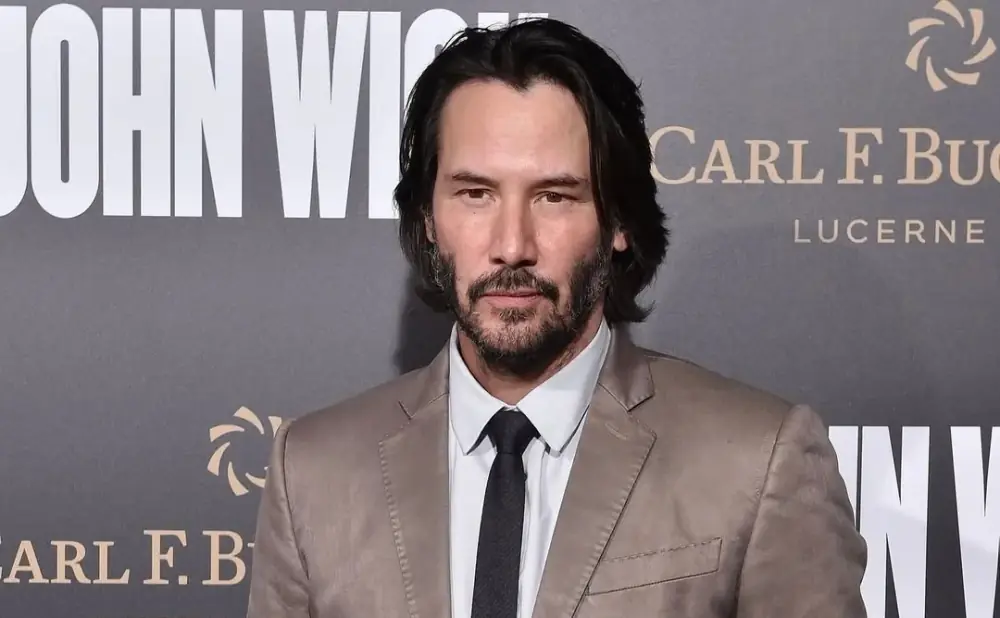
Keanu Reeves has stepped into one of Hollywood’s most talked-about legal battles. The actor recently wrote a letter to a federal judge asking for leniency for filmmaker Carl Rinsch, who was convicted of defrauding Netflix out of $11 million.
The request comes as Rinsch prepares for his sentencing hearing on June 29, 2026. While Reeves made it clear that he is not familiar with every detail of the case, he chose to speak on behalf of a longtime friend and creative collaborator. His letter has sparked debate across the entertainment industry and on social media.
Reeves Stands by a Friend
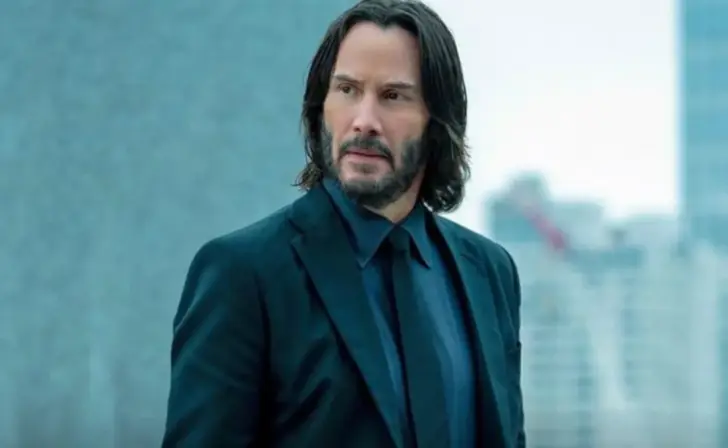
The 61-year-old actor acknowledged that he does not have firsthand knowledge of all the facts presented during the trial.
Even so, Reeves said his experience with Rinsch over the past 15 years shaped his opinion. He described the filmmaker as an “exceptional artist” and someone whose creative vision left a lasting impression on him. Reeves stressed that his support was based on personal experience rather than legal arguments.
The actor and director first worked together on the 2013 fantasy film “47 Ronin.” Their professional relationship later grew into a friendship that extended beyond movie sets and production meetings.
Reeves recalled visiting Rinsch’s home and watching portions of the unfinished science fiction series “White Horse.” He described the project as a visionary piece of work despite its incomplete status. Those memories became a key part of his appeal for compassion.
The “John Wick” star offered insight into what he believes is a recurring personal flaw that contributed to Rinsch’s downfall.
According to Reeves, Rinsch often expanded projects beyond their original scope. He suggested that the director had a tendency to make plans bigger and more ambitious than what had been agreed upon, creating conflict with business partners and collaborators.
Importantly, Reeves emphasized that his letter should not be viewed as a defense of the crimes for which Rinsch was convicted. He wrote that justice remains necessary but argued that mercy can also play a role in the sentencing process.
How the Netflix Case Unraveled?
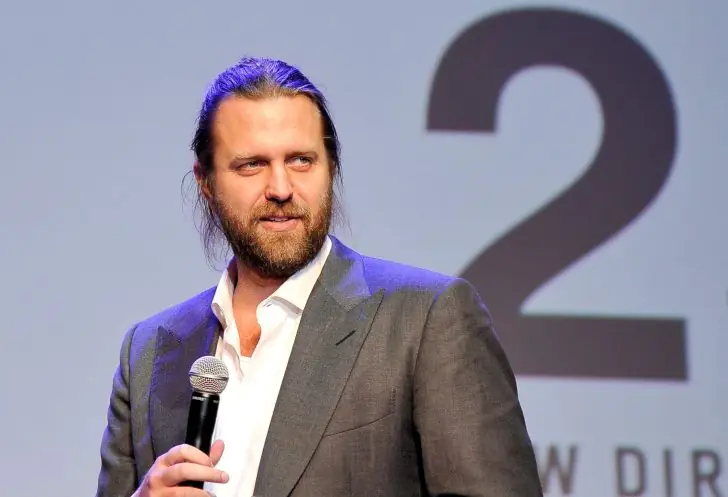
The streaming giant invested heavily in the project. Between 2018 and 2019, the company paid roughly $44 million to support production. Expectations were high, and the series was positioned as a significant original project for the platform.
Problems emerged in 2020 when Rinsch requested another $11 million. Prosecutors later argued that he falsely claimed the money was needed to complete production work on the show.
Instead of using the funds for the series, prosecutors said Rinsch transferred the money into personal accounts. A substantial portion was reportedly lost through risky securities trading. The remaining funds were allegedly used for cryptocurrency investments and personal purchases.
Court records revealed a spending spree that drew widespread attention. Authorities said Rinsch spent millions on luxury vehicles, including several Rolls-Royce cars and a Ferrari. Additional purchases included expensive furniture, antiques, designer goods, watches, and large credit card payments.
Despite the enormous investment, the series was never completed. Netflix ultimately wrote off more than $55 million connected to the project, making the failed production one of the company’s most costly setbacks.
Federal authorities arrested Rinsch in March 2025 in West Hollywood. The case then moved through the court system before reaching a jury in New York City. In December 2025, jurors found Rinsch guilty on all counts. The convictions included wire fraud, money laundering, and several counts involving monetary transactions with criminally derived property.
The penalties attached to those charges are significant. Wire fraud and money laundering each carry maximum prison terms of 20 years. The additional financial transaction counts carry maximum penalties of 10 years each.