
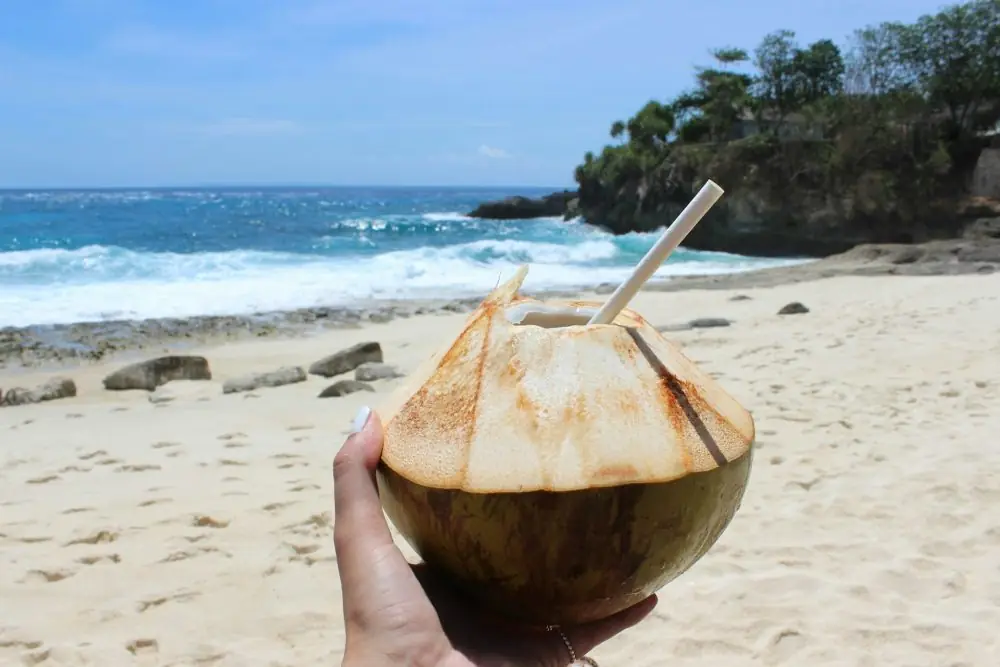
Air travel comes with strict liquid rules, and most people know the 3.4-ounce limit by heart. You measure shampoo, toss oversized drinks, and hope your toothpaste makes the cut. Yet there is one surprising exception that sounds almost fake. You can carry a whole coconut onto a plane, even though it can hold far more liquid than the limit allows.
According to the Transportation Security Administration, a whole, unopened coconut counts as a solid food item. That classification makes all the difference at the checkpoint. The liquid inside does not matter because security officers treat the fruit as a single solid object, not as a container filled with fluid.
Why a Coconut Beats the 3.4 Ounce Rule?
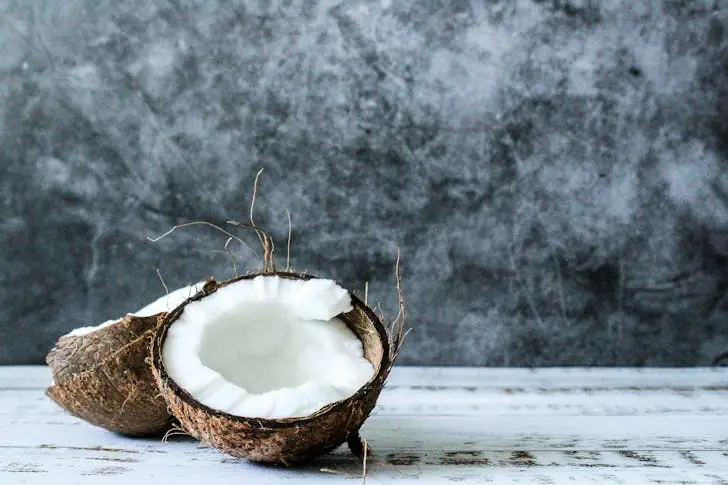
A coconut can hold anywhere from 7 to 34 ounces of coconut water, which blows past that limit.
Still, the TSA does not see a coconut as a bottle. It sees a hard shell with liquid sealed inside a natural structure. You cannot pour it out without breaking the shell, so it does not fit the same risk profile as a plastic container. That technical detail allows it through security in both carry-on and checked bags.
This rule sounds like a travel hack, and many people treat it that way. Social media posts show travelers proudly holding coconuts at the gate. The surprise factor makes it popular, but the rule is real and publicly confirmed by the agency.
The Strict Catch Most Travelers Miss
The real catch has nothing to do with airport security. It involves federal agriculture laws that many travelers forget about. The Animal and Plant Health Inspection Service, part of the USDA, controls how fresh produce moves between certain regions.
Fresh fruits and vegetables can carry pests or plant diseases that harm local crops. Because of that risk, whole coconuts face restrictions when traveling from Puerto Rico and the U.S. Virgin Islands to the mainland United States. Similar rules apply to flights departing from Hawaii. Even if TSA waves you through, agriculture officials may stop the coconut from entering your final destination.
This means you could pass the security checkpoint and still lose your fruit later. The conflict confuses travelers who assume one approval covers everything. In reality, TSA handles security threats, while USDA agencies focus on plant safety and invasive species.
Other Practical Issues You Should Expect
An unusual item often triggers a closer look, even if it follows the rules.
Some travelers report smooth experiences, while others claim agents questioned or confiscated their coconuts. Officers have discretion, and not every agent remembers every unusual rule. That inconsistency means you should allow extra time if you plan to test this exception.
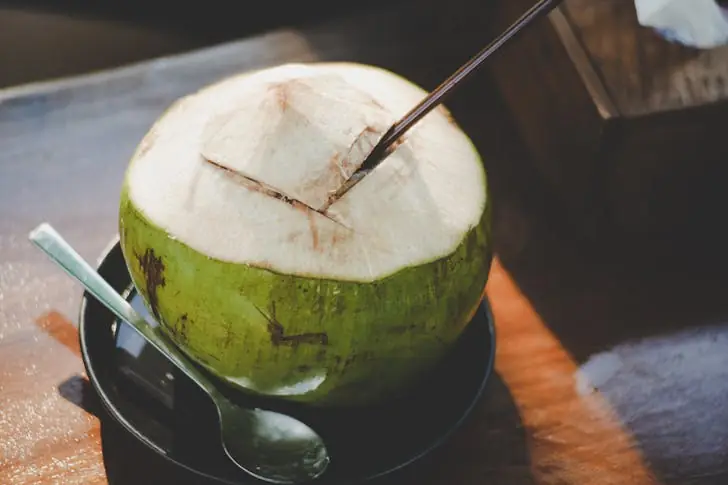
If you actually want to drink the coconut water mid-trip, you will need a way to open it. TSA allows corkscrews without blades and metal straws in carry-on bags. Those tools can puncture one of the soft eyes on the shell. Still, cracking open a coconut at the gate may attract curious looks from nearby passengers.
It is also important to separate whole coconuts from processed coconut products. Coconut water in a bottle must follow the 3.4-ounce rule. Coconut milk, coconut oil, and any other liquid form count as standard liquids. Only the intact, unopened fruit gets special treatment.