

For most Americans, arriving right on time is a good thing. After all, punctuality shows respect. It tells people you value their time, planned ahead, and took the invitation seriously.
That logic works at the office, the airport, and plenty of formal events. But at someone’s home, the rules get a little less rigid. Showing up at exactly 7:00 for a 7:00 dinner can actually make things harder for your host.
The reason has nothing to do with old-fashioned etiquette for its own sake. Hosts often need those final few minutes to finish dinner, set out drinks, change clothes, clear the kitchen, or fix something that did not go according to plan. Ring the bell early, or even exactly on time, and your host may have to stop everything to welcome you. That is why arriving a few minutes after the stated time can sometimes be the more considerate choice.
For Dinner Parties, A Few Minutes Late Can Be Polite

A small cushion of about five to ten minutes can actually help. It gives the host time to finish setting the table, check the food, fill an ice bucket, or handle another tiny task that took longer than expected.
Traditional etiquette guidance follows a similar idea. For a purely social gathering at someone’s home, arriving on the hour or within roughly fifteen minutes afterward is usually considered reasonable. There is an important limit here. Showing up at 7:45 for a 7:00 dinner is not giving the host breathing room. You are simply late, especially when everyone else is waiting to eat.
Think of five or ten minutes as a courtesy window, not permission to drift in whenever you feel like it. A thoughtful guest respects the host’s schedule without treating the invitation like a stopwatch.
Arriving Early Can Be More Awkward Than Arriving Late
Showing up early may feel responsible, but at a private home it can cause more trouble than arriving a few minutes late. The host may not be ready to receive anyone yet. Those last ten minutes can involve changing clothes, hiding kitchen clutter, lighting candles, feeding a pet, checking the oven, or finally sitting down for a moment. An early doorbell interrupts all of that.
It also creates an instant hosting obligation. Instead of finishing preparations, the host now has to greet you, take your coat, offer a drink, and keep you comfortable while trying to complete everything else.
If traffic was lighter than expected and you arrive early, stay nearby for a few minutes. Waiting in your car or taking a short walk is usually kinder than ringing the bell before the stated time. There is one clear exception. If the host specifically asks you to arrive early and help, then early means helpful. You might be needed to arrange chairs, carry food, set out glasses, or handle another task.
Without that invitation, do not assume your extra pair of hands will make life easier. Sometimes the nicest thing you can do for a host is give them ten quiet minutes before guests arrive.
Some Events Require You to Arrive Early
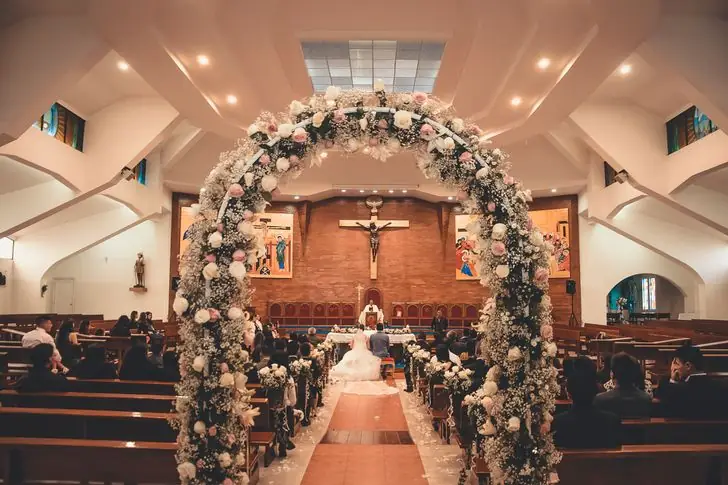
You still need time to park, find the right entrance, greet an usher, and take your seat.
For formal events, arriving about fifteen to thirty minutes early is often the safer choice. That buffer keeps small delays from turning you into the person slipping into a seat after proceedings have started. Professional meetings follow a similar rule, although the timing can be tighter. Arriving five to ten minutes early gives you time to settle in, prepare your notes, and deal with a slow elevator or stubborn laptop.
Walking into a meeting at the exact scheduled minute can make you look rushed. If everyone else is already seated and ready, your arrival may delay the actual start.